


Timeless furniture has a lasting role in modern interior projects because it brings together visual balance, material quality and long-term usability. For interior designers, project contractors and furniture buyers, the objective is not simply to reproduce a historical style. It is to identify enduring design elements—balanced proportions, refined silhouettes, tactile materials and carefully crafted details—and adapt them to contemporary spaces.
When classic influences are applied with restraint, they can add character to modern villas, apartments, model homes, boutique hotels and other high-end interiors without making the space feel dated. Customization is essential to this process. Dimensions, materials, finishes and construction details must respond to the project layout, design concept, intended use and target market.
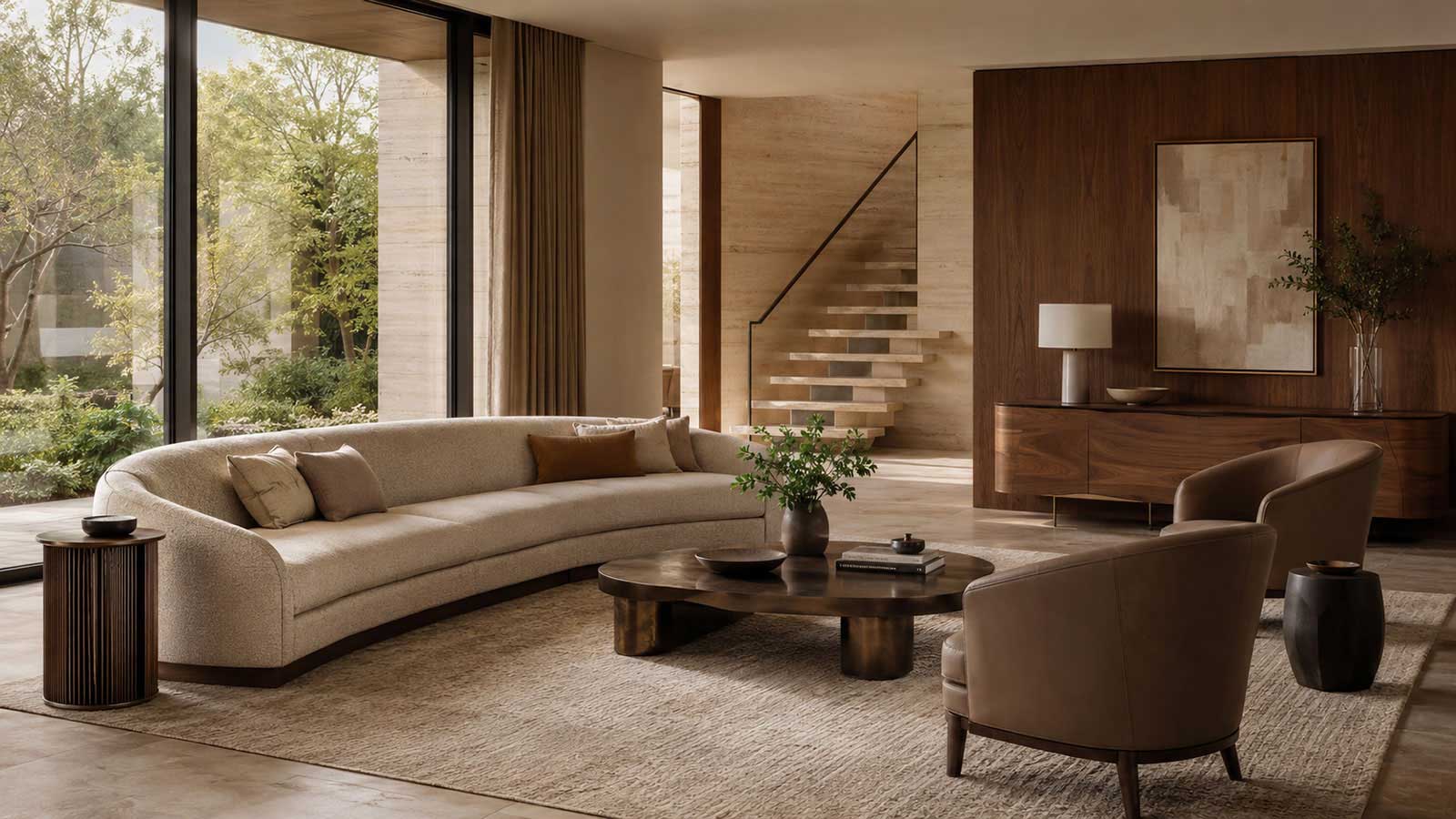
Classic furniture is often associated with tufted upholstery, curved profiles, decorative stitching, natural wood finishes and metal accents. In a modern interior, however, these features work best when they are simplified and integrated into a cleaner overall composition.
A contemporary sofa may retain the generous proportions and deep comfort associated with traditional lounge furniture while using a lower backrest, softer curves and restrained seam detailing. An upholstered bed can reference classic craftsmanship through padded panels or tailored piping without relying on excessive ornamentation. Dining chairs, sideboards and console tables can combine familiar materials such as wood veneer, leather, stone and metal with streamlined forms that suit present-day interiors.
Scale and proportion are especially important in project applications. A furniture piece that looks balanced in a showroom may not work equally well in a compact apartment, a large villa living room or an open-plan hospitality space. Custom dimensions allow designers to maintain appropriate circulation, visual alignment and functional relationships between furniture, walls, lighting and architectural features.
For this reason, timeless furniture should not be treated as a fixed style category. It is better understood as a design approach: preserve the qualities that remain relevant over time while adapting the form to the architecture and lifestyle of each project.
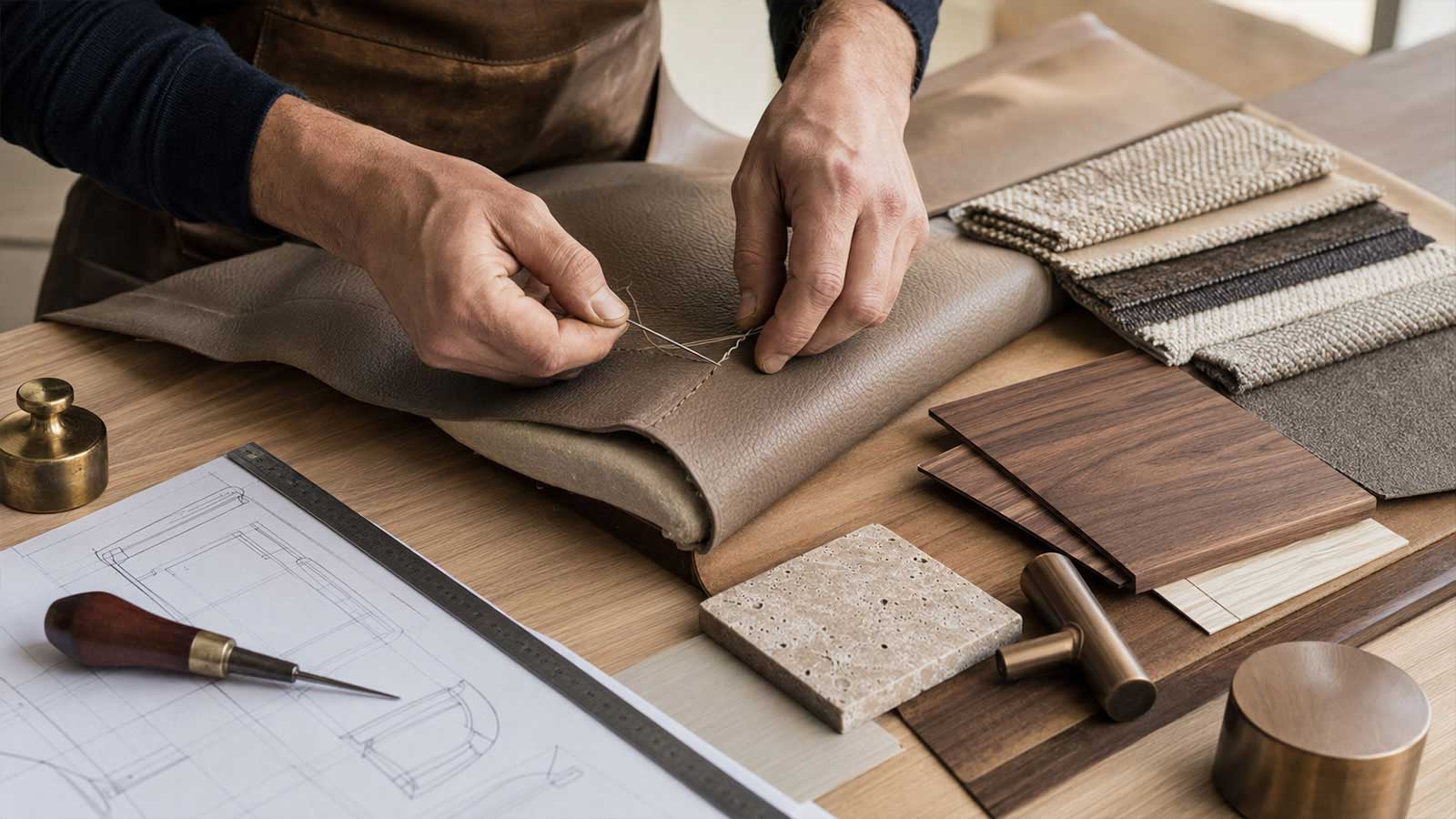
The appearance of timeless furniture depends heavily on material selection. High-quality materials develop depth and character over time, while unsuitable materials can quickly weaken both the visual result and practical performance of a project.
For upholstered furniture, designers and buyers should evaluate more than color alone. Leather type, fabric texture, abrasion resistance, foam density, seam construction and maintenance requirements all influence how the furniture performs in daily use. Top-grain leather can create a refined and natural surface, while selected performance fabrics may be more appropriate for projects requiring easier maintenance or greater resistance to frequent use. For seating comfort, project specifications may include 45kg/m³ density, high-resilience foam, depending on the desired firmness and product structure.
For tables and storage furniture, the choice between solid wood, engineered wood substrates, natural veneer, stone, stainless steel and other finishes should be based on the design intent and application. Natural wood veneer offers warmth and variation, while stone and metal details can introduce contrast and architectural precision. Hardware quality is equally important because hinges, drawer runners and connection components directly affect long-term usability.
Craftsmanship determines how these materials come together. Accurate cutting, stable internal structures, consistent stitching, smooth edge treatment and controlled finish application are essential to achieving a refined result. These details may appear subtle, but they are often what distinguish high-end custom furniture from standard mass-produced pieces.
Material samples and finish approvals should therefore be completed before full production. Physical samples help designers confirm color, texture and compatibility under the actual lighting conditions of the project. They also give contractors and buyers a clear reference for quality control during manufacturing.
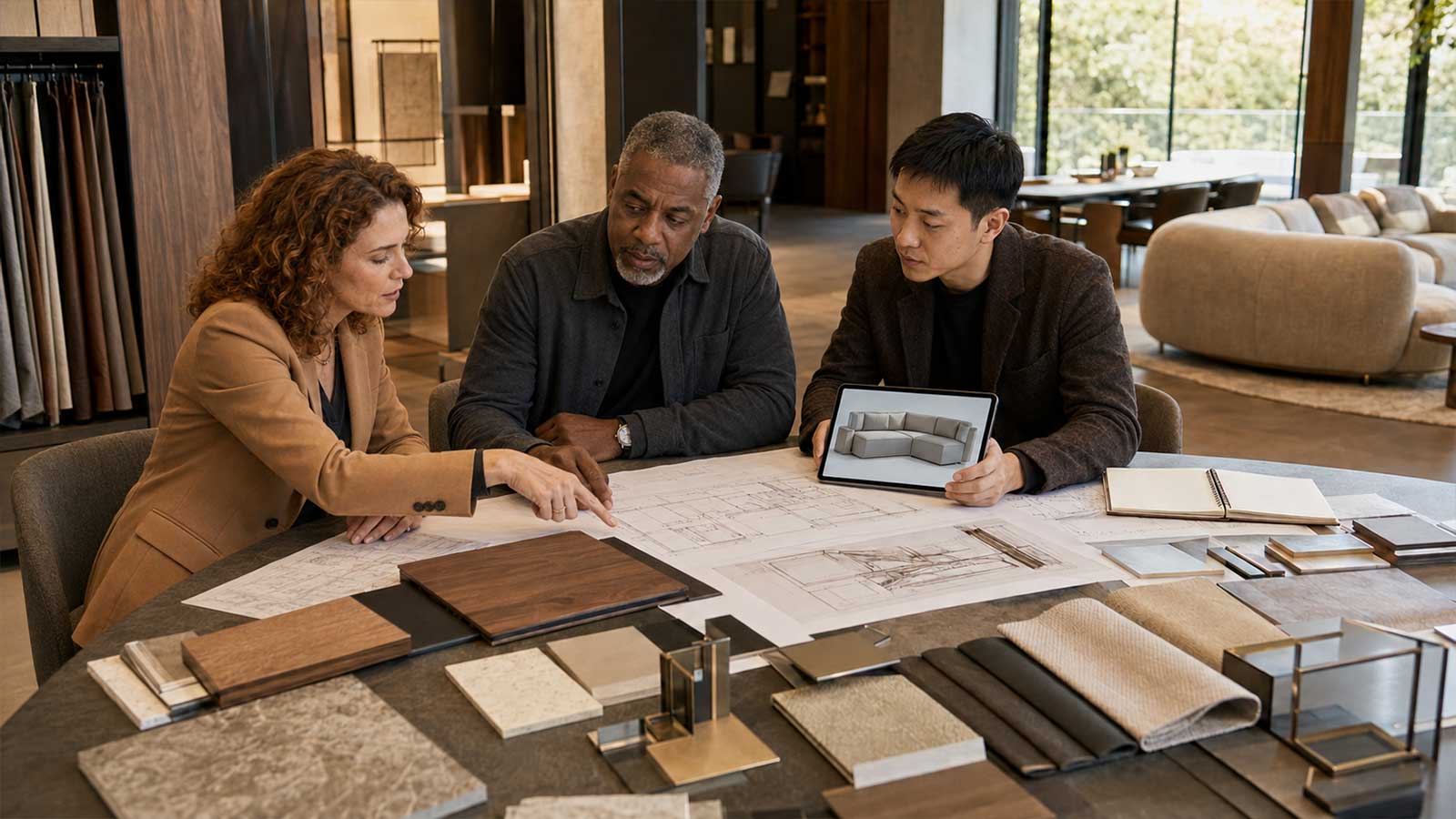
Successful custom furniture projects require more than an attractive concept. Designers, contractors, wholesalers and manufacturers must translate drawings and visual references into production-ready specifications.
The process normally begins with an evaluation of the furniture schedule, room layout, reference images, dimensions, quantities and material requirements. When necessary, 3D visualization and technical drawings can help clarify proportions, configurations and construction details before a sample or prototype is produced.
Key project information should include:
Furniture dimensions and required modular configurations
Leather, fabric, wood veneer, stone and metal finish selections
Comfort, foam density and structural requirements
Target quantities and room-by-room furniture schedules
Packaging, labeling and delivery requirements
Project timeline and approval procedures
This structured communication reduces uncertainty during production and helps prevent avoidable differences between the design proposal and the finished furniture. It is especially important for projects involving multiple furniture categories, such as sofas, upholstered beds, dining chairs, dining tables, sideboards, TV cabinets and occasional tables.
For wholesalers and furniture retailers, customization may also involve adapting an existing design to a particular market. Changes can include overall dimensions, seat firmness, upholstery materials, color combinations, packaging and private-label requirements. The objective is to preserve the design identity of the product while making it commercially suitable for the buyer’s collection and customer profile.
RSKING is a custom furniture manufacturer based in Foshan, China. Its 26,000 m² integrated facility brings together product development, sample confirmation, custom manufacturing, showroom presentation and project support. The team works with interior designers, contractors, wholesalers and project buyers on living room, bedroom, dining room, cabinet and table collections.
Through in-house 3D support, material coordination, OEM and ODM development and more than 20 quality-control checkpoints, RSKING helps project partners convert design concepts into production-ready furniture solutions. The emphasis is not on adding decoration for its own sake, but on creating furniture with balanced proportions, appropriate materials and craftsmanship that remains relevant beyond short-term trends.
Timeless furniture succeeds in modern interiors when design heritage and contemporary requirements are carefully balanced. With the right scale, materials, customization and manufacturing support, classic design elements can contribute warmth, identity and lasting value to a wide range of residential and commercial interior projects.
For project development support, send RSKING your furniture requirements .
Sign up to stay up to date:
Write your email here..
FOLLOW US
On RSKING's social channels


Address : Warehouse B, 3rd Floor, Building 1, No. 2 Lianxin South Road, Sanlian Industrial Park, Wanggang Village, Longjiang Town, Shunde District, Foshan City, Guangdong Province
Service Hotline : +86 757 2336 9686
Contact phone : +86 186 6654 8299
Email : sales@rskingfurniture.com
Copyright © RSKING All Rights Reserved


