


A bed is rarely just another item on a furniture schedule. In a contemporary bedroom, it often sets the scale, mood and material direction for the entire space. The strongest modern bed design ideas now feel softer and more architectural at the same time: upholstery adds comfort, while the headboard, base and surrounding details help organize the room.
For interior designers and furniture retailers, the useful question is not simply “What is trending?” It is “Which trend can be specified, sampled and repeated successfully?” Here are five directions worth considering for upcoming residential, villa, apartment and showroom projects.
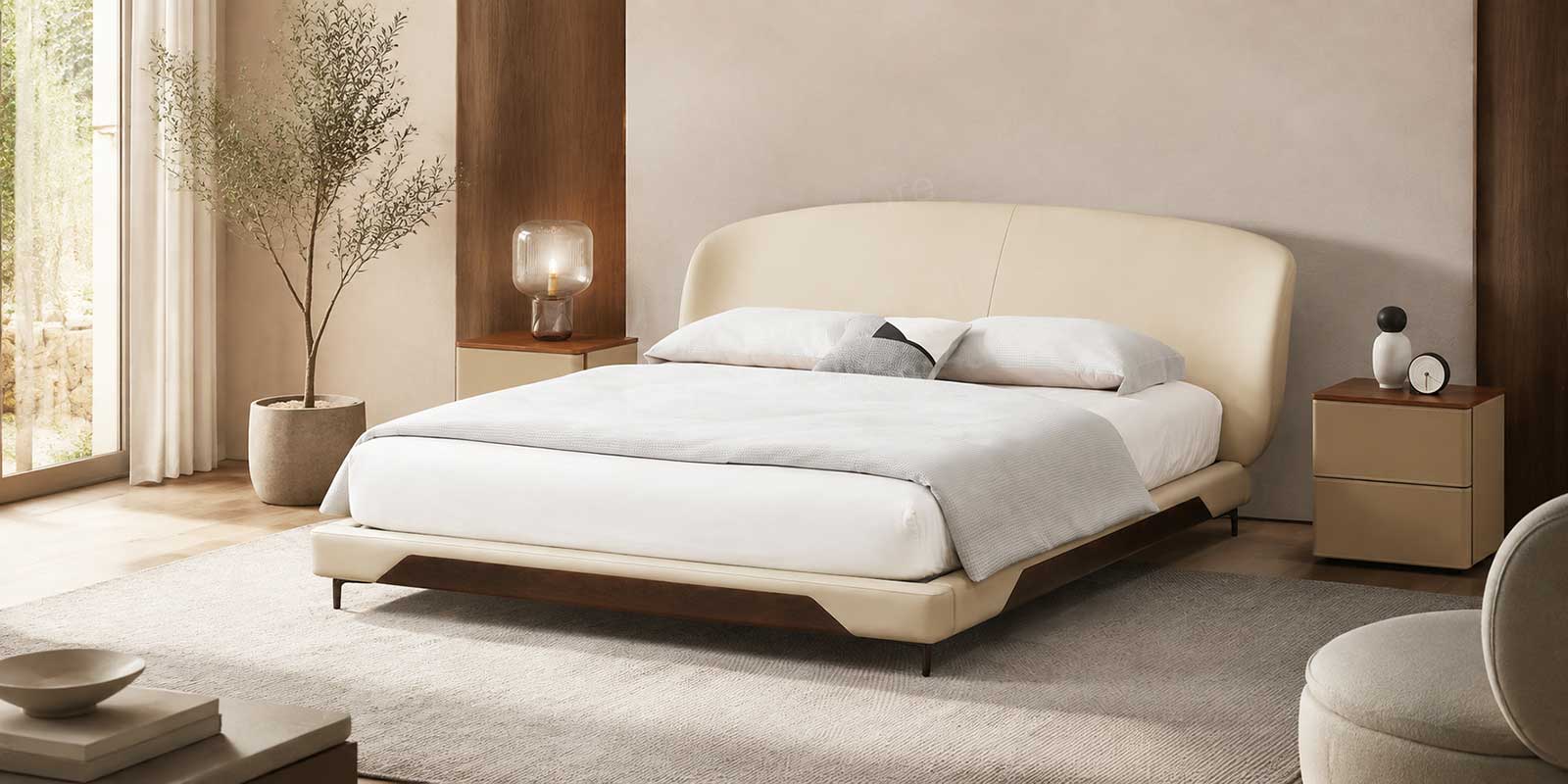
Sharp boxes and oversized decorative panels are giving way to quieter forms. Rounded corners, gently flared headboards and padded bed rails make a large bed feel approachable without losing its presence. This is the appeal of warm minimalism: the room remains visually clean, but it no longer feels cold.
A successful modern style bed design does not need an unusual silhouette on every side. One memorable gesture—a curved wing, a floating base or a carefully stitched headboard—is often enough. For project work, restraint also makes the design easier to coordinate with bedside tables, lighting and wall finishes.
The headboard is becoming part furniture and part architecture. Soft curves, extended side wings and asymmetrical stitching can create a focal wall without adding separate decorative panels. The key is proportion: an expressive headboard should still leave room for switches, sconces and bedside storage.
Low-profile bed frames remain relevant because they make generous mattress sizes feel lighter. Recessed or slim legs create a floating effect, while padded rails soften the outline. Designers should still confirm cleaning clearance, mattress height and the user’s preferred sitting height before approving the base.
Many current modern bed designs combine leather or fabric with timber, metal or textured wall finishes. The contrast is subtle rather than showy: warm beige upholstery beside dark wood, for example, adds depth while keeping the palette calm. Physical material samples matter because grain, sheen and color can change noticeably under project lighting.
Even when the nightstands are not physically attached, the bed is increasingly designed as part of one wall composition. Headboard width, bedside table height, lighting position and power access should therefore be reviewed together. This approach gives designers more control and helps retailers present coordinated bedroom collections rather than isolated products.
Channel stitching, piping, a wood insert or a slim metal foot can give a bed its identity. The best details are visible from across the room but remain practical at close range. Complicated seams may look impressive in a rendering yet become difficult to align consistently in repeat production.
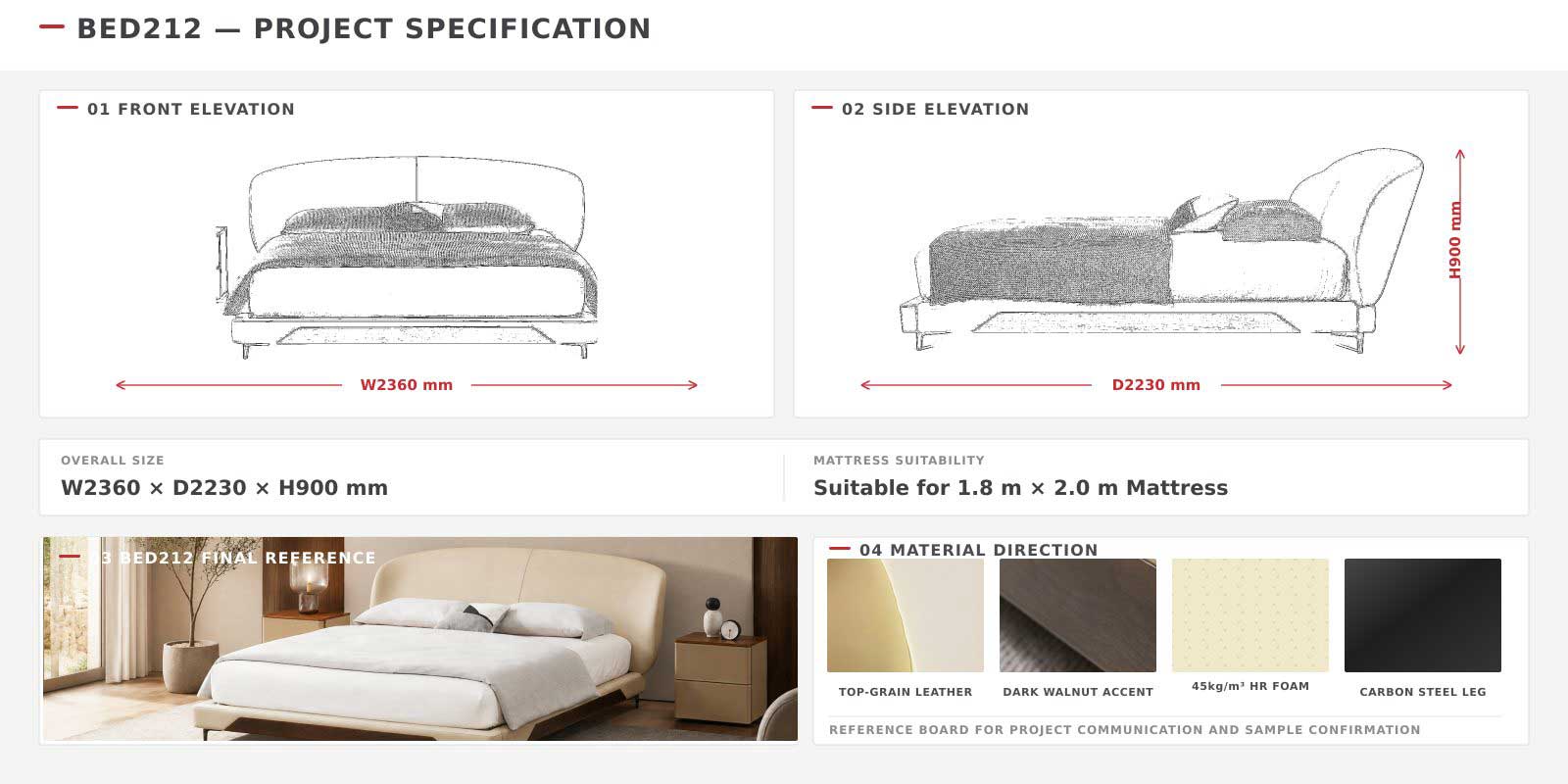
A beautiful rendering starts the conversation; a clear specification finishes it. Before confirming a bed design, buyers should translate the visual idea into measurable decisions.
| Decision | What to Confirm | Why It Matters |
|---|---|---|
| Overall dimensions | Bed width, depth, height and mattress size | Prevents conflicts with circulation and joinery |
| Headboard layout | Width, curve, seams, sockets and lighting positions | Keeps the bed aligned with the full wall elevation |
| Upholstery | Approved leather or fabric swatch, color and finish | Reduces differences between sample and batch |
| Comfort and structure | Padding feel, internal frame and bed-base system | Connects appearance with long-term use |
| Delivery conditions | Access route, packaging and installation sequence | Avoids a well-made bed becoming a site problem |
For repeated retail orders, keep an approved specification sheet and reference sample. For custom projects, confirm production drawings and material boards before manufacturing begins.
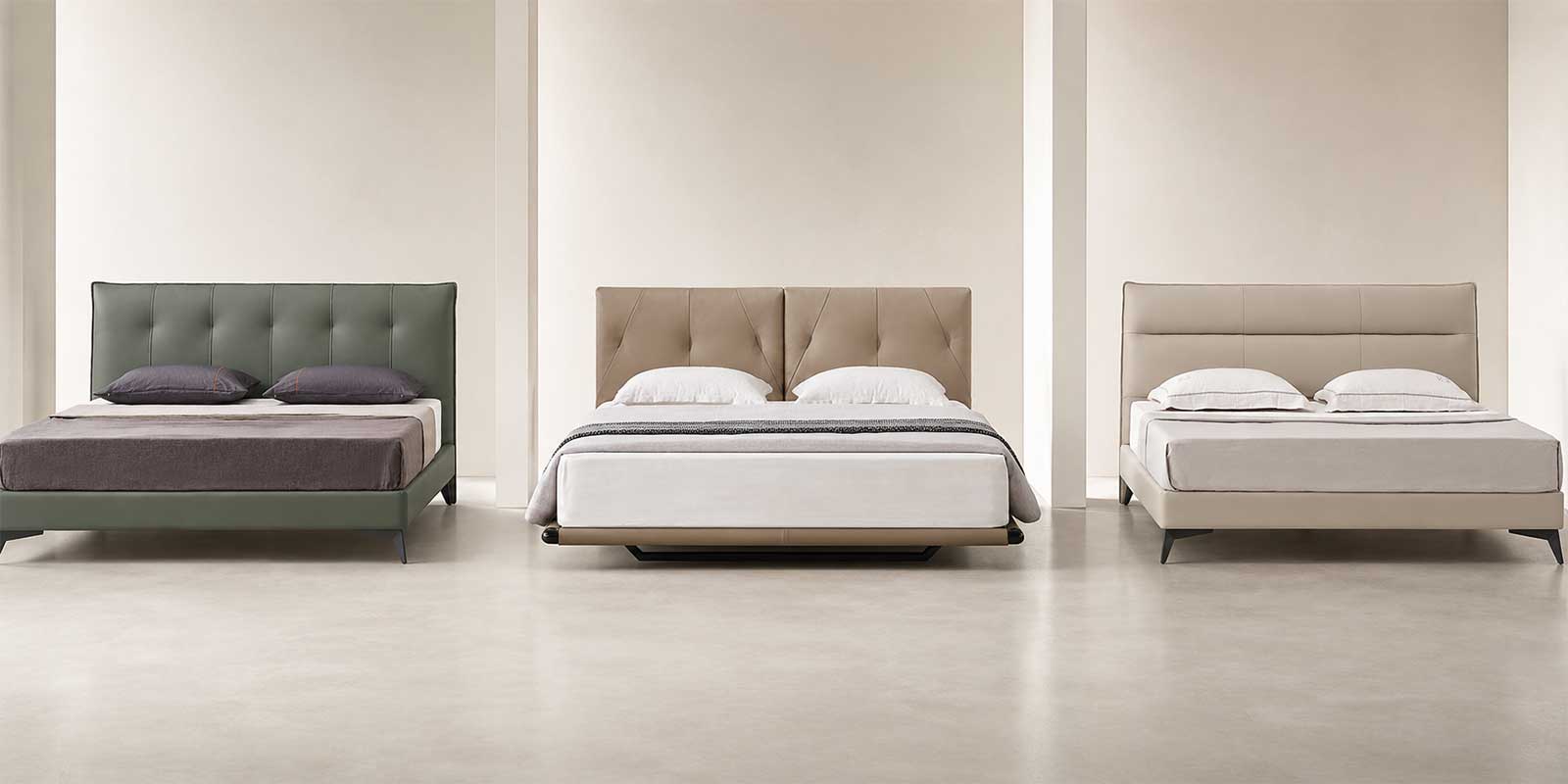
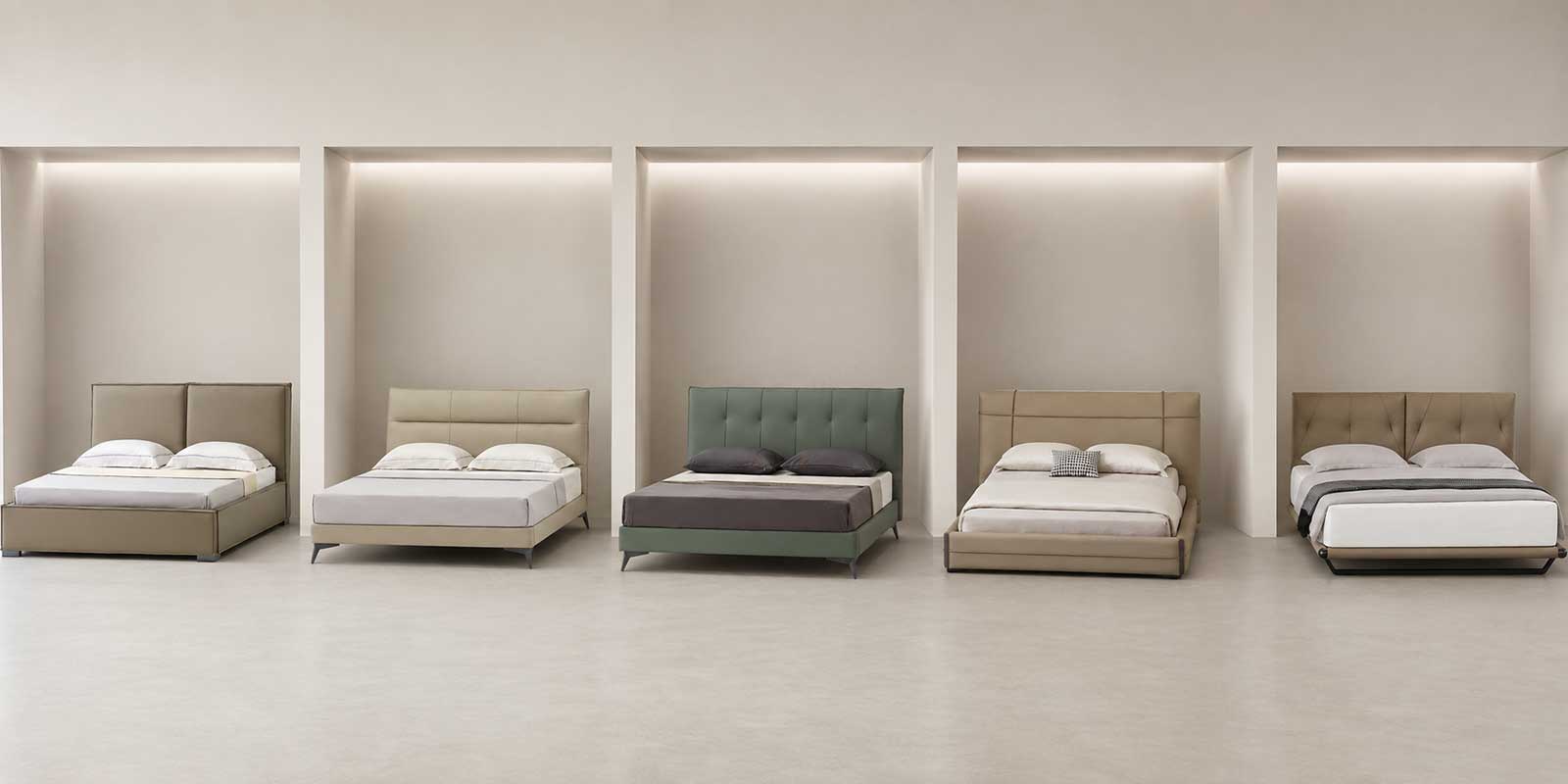
Retailers do not need ten nearly identical beige beds. A tighter range with three distinct design roles is easier to explain and easier to merchandise:
The soft curve: an enveloping headboard for villas, master bedrooms and high-end apartments.
The graphic profile: directional seams or a floating base for design-led showrooms.
The quiet essential: a restrained upholstered frame that can be recolored for different collections.
RSKING’s BED212 curved-headboard bed fits the first direction, while the BED083 wave-headboard bed offers a more graphic option. Both can act as reference points when buyers compare silhouettes, upholstery and project positioning.
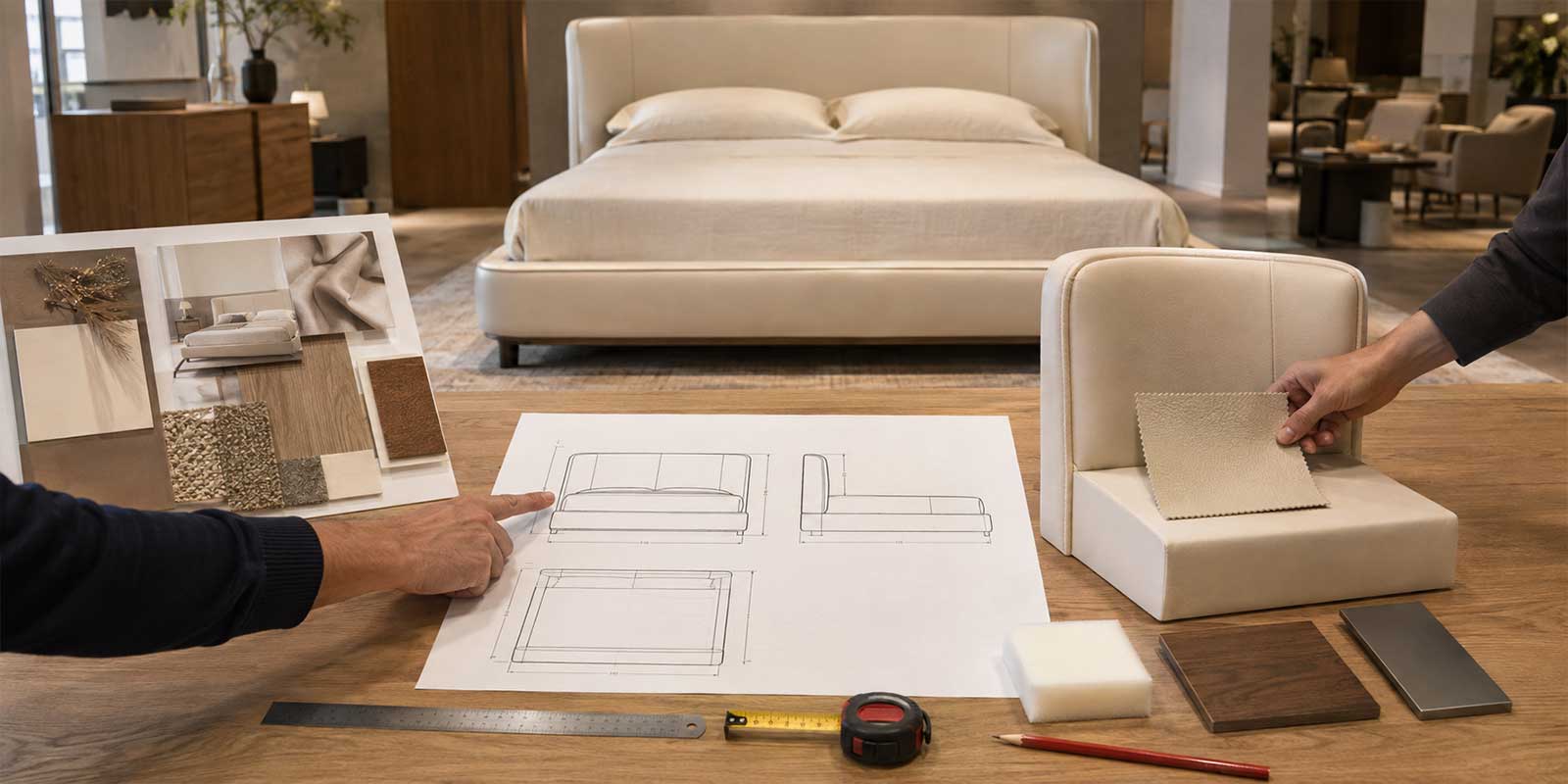
Trends should guide selection, not replace technical judgment. Before choosing among different bed designs, ask whether the manufacturer can adapt the mattress size, verify the headboard proportions, provide material samples and work from approved drawings. That is what turns an attractive concept into a dependable product for a retail program or interior project.
Usually not. A sofa bed design must accommodate a folding or pull-out sleeping mechanism, while a modern upholstered bed is developed around a fixed mattress and bed-base system. The visual language may overlap, but the engineering and specification process are different.
Mattress size, overall dimensions, upholstery color, leather or fabric selection, headboard stitching, wood finish and leg finish are common starting points. Structural changes should be confirmed through drawings and, when necessary, a sample.
Explore RSKING’s Bedroom Furniture collection for upholstered-bed directions developed for interior designers, furniture retailers and project buyers. The right modern bed is not simply the newest shape—it is the design that still works after the drawing, sample and room plan meet.
Sign up to stay up to date:
Write your email here..
FOLLOW US
On RSKING's social channels


Address : Warehouse B, 3rd Floor, Building 1, No. 2 Lianxin South Road, Sanlian Industrial Park, Wanggang Village, Longjiang Town, Shunde District, Foshan City, Guangdong Province
Service Hotline : +86 757 2336 9686
Contact phone : +86 186 6654 8299
Email : sales@rskingfurniture.com
Copyright © RSKING All Rights Reserved


